National · Informational + Financing Connections
Custom Home Construction Loans, Explained in Plain English
Building a custom home is financed differently than buying an existing one. Draw schedules, interest-only payments during the build, and construction-to-permanent conversion aren't things a typical mortgage prepares you for. We break down how a custom home construction loan actually works and help connect you with financing options — nationwide, at no cost to you.
The Core Difference
Why a Construction Loan Isn't Just a Mortgage With Extra Paperwork
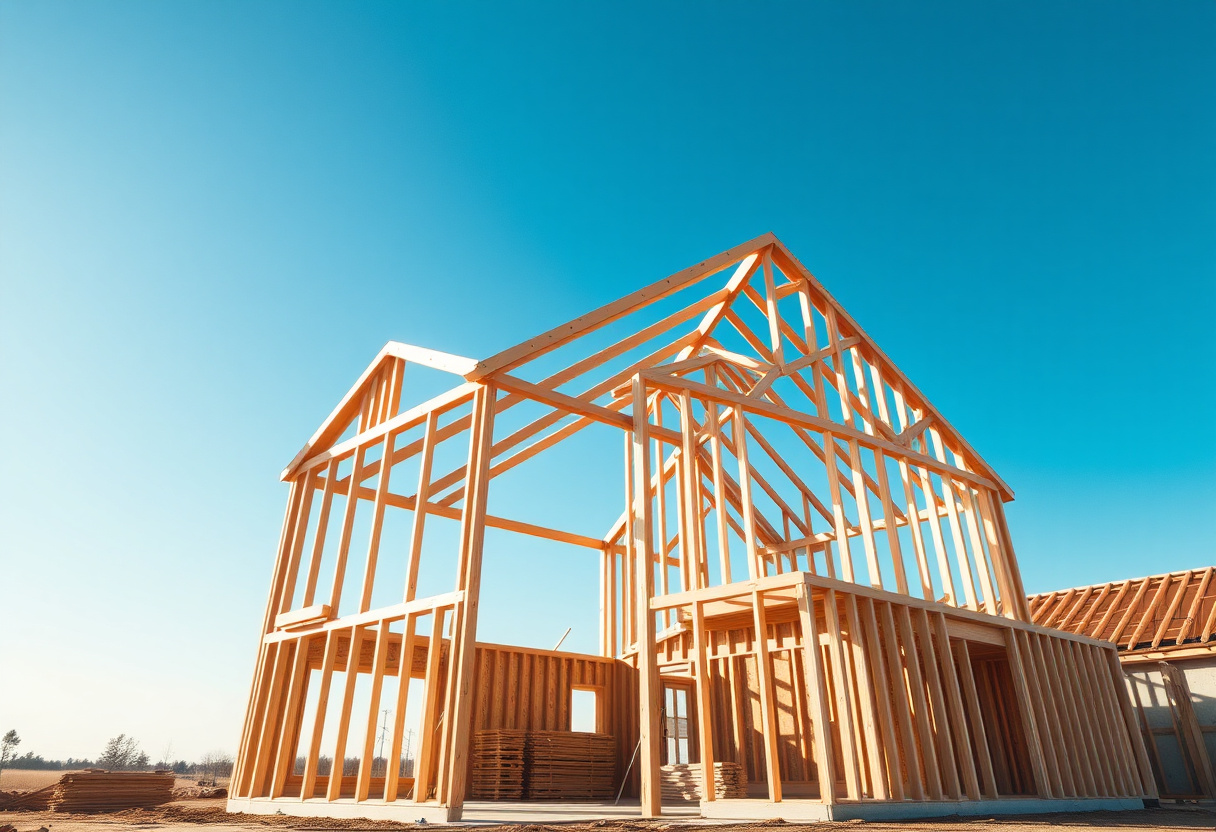
A construction loan is built around the fact that the thing you're financing doesn't exist yet. That changes how money moves, how you're billed, and what happens once the home is finished.
Funds Release in Draws, Not a Lump Sum
Instead of one payout at closing, your lender releases money in stages tied to construction milestones — foundation, framing, rough-in, drywall, and finishes are common draw points. A lender-appointed inspector typically verifies each milestone before the next draw goes out.
Interest-Only During the Build
During construction, most lenders charge interest only on the portion of the loan that's actually been drawn — not the full committed amount. Your payment typically rises as more of the loan is disbursed, then changes shape entirely once the home is done.
What Happens at Completion Varies
Some construction loans automatically convert into a standard amortizing mortgage the moment the home is finished. Others require you to separately apply for and close on a new permanent mortgage. Which one you have changes your paperwork, timeline, and closing costs.
Good To Know Going In
What Tends To Be True Across Lenders
4–10
Typical Draw Milestones
Exact count and structure set by your lender and project size.
Higher
Down Payment Than a Standard Mortgage
Many programs look for a larger down payment than a typical purchase loan — varies by lender.
Two Paths
One-Close or Two-Close Structures
Construction-to-permanent vs. standalone — see Loan Types for the difference.
These are general patterns, not guarantees. Rates, exact down payment percentages, draw counts, and qualification thresholds are set by individual lenders and vary by program — always confirm specifics directly with a lender.
Three Structures
Not All Construction Loans Work the Same Way
The biggest fork in the road is how your build phase connects to your long-term mortgage — and whether you're required to hire a licensed general contractor. Here's the short version of each.
Construction-to-Permanent Loan
A single loan that covers the build phase and then converts into a standard long-term mortgage once the home is finished — one application, one approval, and typically one closing.
Standalone (Two-Time-Close) Construction Loan
A short-term loan that covers only the construction period. Once the home is complete, you separately apply for and close on a new permanent mortgage to pay off the construction loan.
Owner-Builder Construction Loan
A construction loan where the borrower acts as their own general contractor instead of hiring a licensed GC to run the project — a narrower, harder-to-qualify-for category most lenders treat differently.
How The Process Generally Goes
From Pre-Qualification to Move-In
- 1
Get pre-qualified and firm up your plans
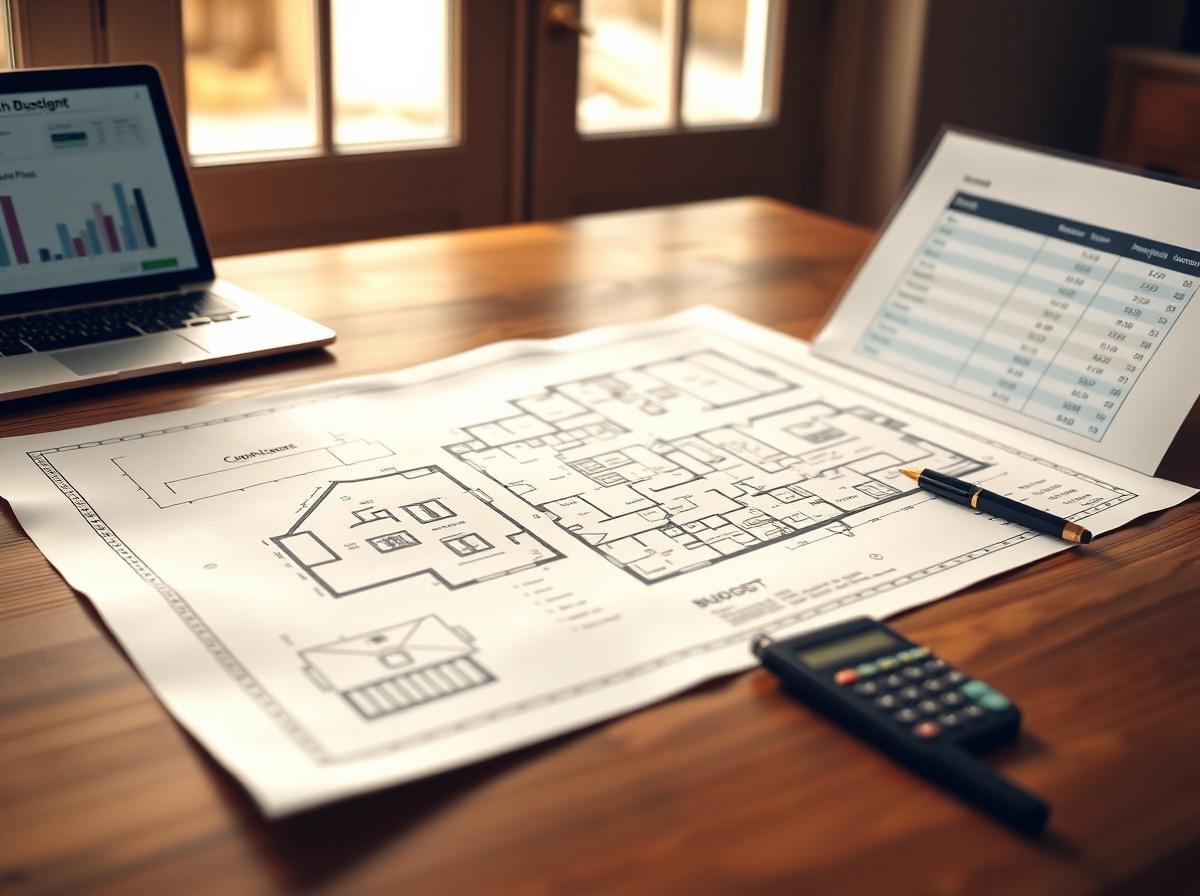
Lenders want to see your budget, your building plans, your land status, and — for most programs — a licensed builder before they'll issue a construction loan.
- 2
Lender sets your budget and draw schedule
The lender reviews the total project cost, sets draw milestones tied to construction stages, and finalizes your loan structure (construction-to-permanent or standalone).
- 3
Funds release in draws as building happens
As each milestone is inspected and verified, the lender releases the next draw to pay your builder. You typically pay interest only on funds drawn so far.
- 4
Completion converts or refinances into a permanent mortgage
Once the home passes final inspection, a construction-to-permanent loan converts automatically; a standalone loan gets paid off by a new mortgage you close separately.
Building a Barndominium Instead?
Barndominiums and other non-traditional custom builds are increasingly financeable with construction loans, though appraisal comparables and lender comfort with the structure type can vary more than with a traditional stick-built custom home. The same draw-schedule and interest-only-build-phase mechanics generally apply — see our barndominium construction loan basics post for what tends to differ.
CustomHomeLoan.co is an independent informational resource and lead-connection service — not a lender, mortgage broker, bank, or credit union. We do not originate, underwrite, service, or fund loans. Loan terms, rates, down payment requirements, draw schedules, and qualification standards vary by lender, loan program, and borrower and are set solely by the lending institution you ultimately work with. Nothing on this site is a loan offer, a rate quote, a commitment to lend, or a guarantee of financing. Always confirm current terms, requirements, and availability directly with a licensed lender before making a financial decision.
Common Questions
Quick Answers
How is a custom home construction loan different from a regular mortgage?
A standard mortgage hands you the full loan amount at closing to buy a finished home. A construction loan instead releases funds in stages, called draws, as your home is actually built — and during that build phase, you typically pay interest only on the amount that's been drawn so far, not on the full committed loan amount.
Do I need to close twice on a construction loan?
It depends on the loan structure. A construction-to-permanent loan closes once and automatically converts into a standard mortgage when the home is finished. A standalone (two-time-close) construction loan requires a separate application and closing for the permanent mortgage after construction wraps up.
Can I be my own general contractor on a construction loan?
Some lenders offer owner-builder construction loans for borrowers with documented construction or project-management experience, but most retail construction loan programs require you to use a licensed, bonded, lender-approved general contractor to manage the build.
Ready to See What Building Could Cost You?
Tell us a bit about your project and where you are in the process — we'll connect you with construction-loan financing options and information suited to your build. Free, no obligation.